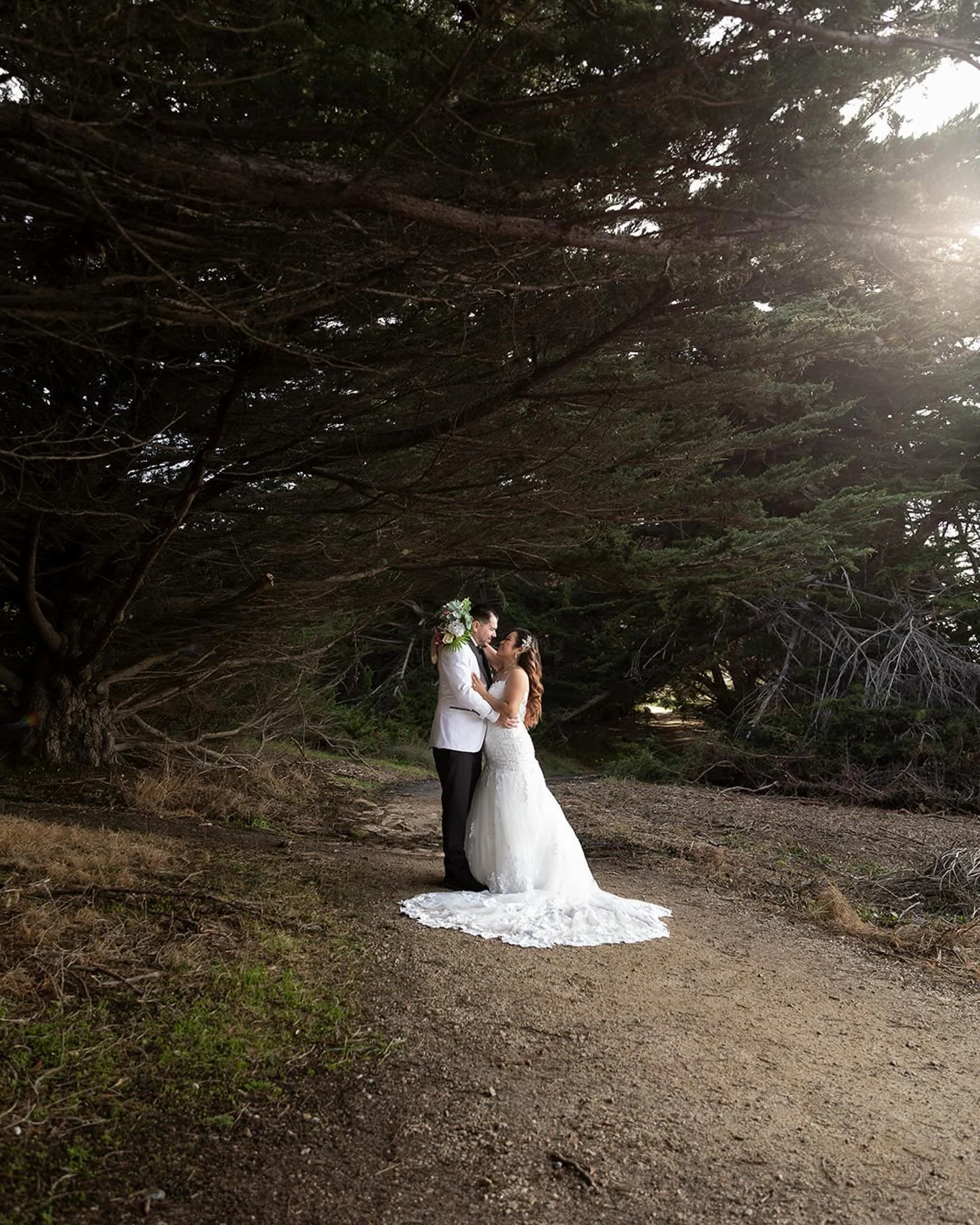
When and How to Start Telling Your Loved Ones That You’re Eloping

In this blog post:
Tips for Sharing Your News
What Does Eloping Mean To You?
Why Telling Your Loved Ones You’re Eloping Matters
Deciding Whether to Have Guests
When Should You Tell Everyone About Your Plans to Elope?
How To Tell Different People in Your Life
Sample Script on What to Say to Them
How to Include People Who Aren’t Invited
What if They Aren’t Happy or React Negatively?
Tips on How to Share the News About Your Elopement
You’ve made the decision, have started to plan, and you’re getting closer to your day. You’re eloping!
It’s very likely that you’re feeling two things at once: excitement that you found the wedding path that makes sense to you and your partner, but a heavy load of dread or anxiety about how to tell the people you love about it.
If that’s where you’re today, you’re in the right place.
This is one of the most common worries couples share about eloping, and the truth is, there is no single “right” way to go about it.
But you can certainly find an approach that fits your relationships and your peace of mind best.
Keep reading below to see how you can plan this through, from defining what eloping means to you, to drafting the exact words you can use when it’s time to share the news.
DON’T FORGET TO GRAB YOUR COPY: Download Your Free Elopement Checklist Here
First Things First: What Does Eloping Mean to You?
Although this question sounds like you’re looking for a way to defend your decision to elope, it’s really more about getting clear on what you’re doing and why you’ve chosen to elope, together as partners.
This is a very important step because getting clear on it will:
allow you to speak with one voice when you talk to family and friends, instead of contradicting each other or backpedaling under pressure
protect you from making promises or exceptions in the moment that you haven't actually agreed to as a couple
give you something solid to return to if someone questions the decision (not a defense, but a shared understanding)
This is why the real starting point isn't "how do we tell people," it's "what have we actually agreed to, together." A few things worth getting explicit about with your partner:
What does eloping mean to each of you, regarding the actual shape of the day you're each picturing?
What is this decision rooted in? Naming the why, whether it's intimacy, cost, avoiding family tension, spontaneity, or something else, helps you both feel good in it, and helps you explain it consistently when the time comes
Where are your boundaries, and are they shared? What are you firmly not open to changing, even if someone pushes back or asks to be included?
This groundwork is what makes every conversation after this easier.
You're not negotiating your decision in real time while also managing someone else's reaction to it. You've already done that work with each other, in private, before anyone else is involved.
Why Telling Your Loved Ones You’re Eloping Matters
Your decision to elope is for you. That’s valid! So, why should anyone else know about it in advance?
Whether you’re inviting any guests or none at all, telling people isn’t about needing permission or seeking approval. It’s about protecting relationships that matter to you and that you’ll want to keep strong long after the wedding day is over.
Here are other reasons why most couples choose to say something:
It preserves relationships in the long run. Finding out after the fact, through mutual friends or social media, can cause an emotional wound
It gives people time to process. Advance notice, even if it’s brief, often soften the blow
It opens the door for loved ones to find ways to feel included even if they’re not standing next to you
It sets the tone for your future relationship with them. How you prepare and handle this moment makes a lasting impression

Deciding Whether to Have Guests
The next step in figure out how to tell people you’re eloping, you’ll need to decide who, if anyone, is going to be there.
If you’ve already chosen to have a guest-free elopement, feel free to skip!
Common guest configurations couples choose include:
Zero guests. It’s just the photographer, your officiant, and a witness (when necessary)
Parents/grandparents only
Immediate family, including siblings’ plus ones
A handful of your closest people you consider chosen family
Pro Tip: If you wish to have a guest-free elopement but still need a witness to sign your marriage license, you can summon a passerby to do the honors or you can ask your elopement photographer to help!
Admittedly, this isn’t an easy issue to resolve and there is no wrong answer here. It’s easier said than done but you really don’t owe anyone an explanation for wanting a guest-free day, or for being selective on who to invite.
If that’s what feels right to you both, that’s reason enough.
Here are a few things to consider while you make your final decision:
Would leaving someone close to you out damage the relationship in a way you’re not willing to risk?
Do your parents, siblings, and friends need different approaches or can one work across the board?
Does your guest list affect when you can tell someone? Meaning people you’re inviting need more advance notice, while people you’re just informing can often hear the news whenever it makes sense for you

When Should You Tell Everyone About Your Plans to Elope?
Timing is one of the hardest parts when it comes to this process. It’s rather personal because there’s no universal rulebook.
It all depends on when it feels right to you, which depends on your family dynamics and how much you trust people to keep a secret (if needed to).
That said, there are a few different paths you could take:
You tell them before the date, with actual date shared (keeping location undisclosed)
You tell them before the date but keep it vague (you say something like “later this fall”)
You tell them on the day once it’s happening or has already happened
You tell them after the fact, with photos as the announcement itself
In order for you to decide what’s the best approach, you need to consider these factors:
Are you telling them to include them or just to inform them? These call for very different timing.
Do certain relationships, like parents for example, carry an expectation of advance notice out of respect, even if they’re not invited?
And most importantly, if you tell some people, what’s the likelihood of the news to leak before you’re ready to share with the everyone else?
On one hand, telling people too early can open to door to pressure, guiltrips, and unsolicited planning opinions. On the other hand, telling people too late risks hurt feelings about being left out of the loop.
So this is why sometimes it’s best to match the timing of when to tell people you’re eloping to each relationship rather than using a blanket rule.

How to Tell Different People in Your Life
If figuring out how to share the news has been looming over you like a grey cloud, the tips below should help bring some clarity and guidance.
Keep in mind that how much care, detail, and formality a conversation calls for really depends on how close your relationship with them is.
It might feel like extra work but in the end, matching your approach to that closeness tends to lead to better understanding and connection, not just an easier conversation.
Telling Your Immediate Family
A phone call or in-person conversation is a great approach for this group. It feels a lot more personal and intentional, but think through the following before planning to move forward:
What are their personalities like? Are they more likely to react with hurt, worry, joy or judgement?
Be ready for follow up questions about logistics and the ‘why’ (this is where being on the same page your partner is important)
Decide in advance what you’ll do and how you’ll respond if someone objects or asks, in the moment, to attend
Telling Your Extended Family
It’s got lower stakes emotionally but sometimes higher stakes due to cultural norms. For example, your parents’ siblings and your grandparents may carry stronger expectations about being told or being invited because it’s ‘tradition’.
For this group, you could plan a group call if you’re close to them or start a family text thread if you’re hoping to share photos of the day.On some occasions, you could even have your parents relay the news if they are supportive and willing.
These are all reasonable options!
But just like the previous group, keep in mind some of them may feel entitled to attend, so you should decide beforehand on how (or whether) to address that before they ask.
PRO TIP: When handling conversations about your elopement day, it’s best to keep the location undisclosed until after it happens. This helps avoid surprise attendees.
Telling Your Close and Long-Term Friends
These relationships can feel just as significant as family so trust your gut on who gets a personal conversation versus a group chat.
If any of them expected to be asked to be part of the wedding party or have an important role, it’s worth acknowledging that directly and gently rather than letting it go unspoken.
And something to remember is that often time friends may feel a lot more comfortable teasing or pushing back, more to show affection rather than disapproval. But if that's not what you want right now, let them know. If they love and respect you, they'll understand!
Other Friends, Coworkers, and Acquaintances
This is your lowest-stakes group and doesn’t generally need the full story so the news can be shared far more casually. Whether that’s a social media post, a group message, or mentioning after the fact, it works!
When it comes to coworkers, you could go a step further and just think about whether you’d rather share the news before or after any time off you take around your elopement day.

What to Say (Template Included)
Whenever you’re ready to share the news with your loved ones, having language ready in advance makes these conversations a bit easier. Here’s a simple structure you can adjust to your liking:
If you’re inviting them
The general flow you want to follow starts with expressing love/gratitude, then sharing the decision, and finally with inviting them clearly and sharing logistics.
Example, for parents:
“Hey mom/dad, I called you because I want to share something exciting with you. You’re both very important people to both me and (partner) so we wanted you to be one of the first people to know that we’ve decided to elope with just a small, intimate ceremony instead of a big wedding. It means so much to us, and we’d love for you to be there. It’ll be on (date) at (location), and it’ll be just a handful of us. Can I tell you more about what we’re planning?”
A couple of tips for this version:
If you need them to keep the location a secret, let them know clearly that this is an important request
Be honest about what guest role you're inviting them into. Will they help plan? Will they simply need to show up? Will they be in photos?
Let them know your guest list is limited, so plus-ones like a partner are welcome, but the list can't extend beyond that
If anyone offers to help financially and you wish to accept the offer, set clear boundaries about what is and isn't okay. Sometimes that offer comes with an unspoken expectation of having a say in decisions
If you’re not inviting them
The general flow you want to follow is similar to the previous one expect you add you’ll want to add a brief explanation why it’s just a few guests or just the two of you, and then reassure them of their importance in another way.
Example, for a close friend:
“Hey (name)! I’ve got something to share with you, I really wanted you to hear this from me directly but I wanted to tell you that (partner) and I have decided to elope! It’s going to be just us, no guests at all (or adjust here to what fits our day), which is what feels right for us. You mean so much to me through and I really want to celebrate with you after we’re back. Maybe we can do dinner, just us? Let me know!”
A couples of tips for this version:
Keep the explanation brief, you don’t need to over-justify your decision
Avoid language that sounds like you’re asking for permission, you’re informing them not asking for approval!
Offer a specific next step and actually follow through on it, whether that's a dinner, a visit, or a party later on. This goes a long way toward softening any feelings of exclusion
These two examples cover the core structure so feel free to adjust the tone and details for a parent, a friend, or a coworker. Choose your words with care, but let honestly and warmth lead the way.
How To Include People Who Aren’t Invited
Not being physically present doesn’t mean someone has to feel fully shut out of the day.
There are many meaningful ways to bring loved ones into the experience from a distance!
Some ideas are live streaming the ceremony, sending photos right after, planning a celebration for later, or even giving some of them small symbolic roles like helping find vendors or choosing a reading, like a love letter or a poem.
But this is a big enough topic that deserves it’s own space, so I’ll be sharing a full post soon that’s dedicated entirely to creative ways to include the people who won’t be there in person.
The truth is there are more options than “there” or “not there” and different roles don’t have ot mean lesser roles.
What if They Aren’t Happy or React Negatively About Our Elopement?
If experience has taught us anything, it’s that even with the best delivery and intention, you can’t control how someone responds.
And that’s not on you.
Their disappointment to hearing your news isn’t automatically your responsibility to fix. You can absolutely hold empathy for how they feel without the need to reverse your decision to elope.
What you can do is prepare yourself for a range of reactions: Joy, excitement, curiosity, confusion, hurt, or a mix of it all in the same conversation. And to keep in mind that someone’s first reaction isn’t always their final feeling, so try not to let it get you down!
Some people need space and further conversation, and you can give them that plus time to sit with it and let the relationship guide how you move forward from there.
Ultimately, it’s okay to hold your boundaries even when the moment feels uncomfortable. Discomfort doesn’t mean you’ve done something wrong.
There's no universally right way to do any of this. Trust what you and your partner have decided, and give yourself permission to hold that decision, even when it's hard for someone else to hear.
If you find this helpful, pin it for later!

Hello, I’m Sara!
I hope this post gives you clarity, fresh ideas, or at least one solid next step as you plan your day.
If you’re newly engaged or already knee-deep in decisions, I’m genuinely so excited for you! This season goes by quickly, and it deserves to feel thoughtful instead of overwhelming 🤍
I’m here to help with that.
I’m always happy to chat through ideas, look at beautiful places, shape a plan that feels grounded and realistic, and make sure the timeline flows easily.
And when your special day arrives, I’ll guide you when you need it, step back when you don’t, and photograph whatever unfolds naturally.
Just know that you don’t have to figure it all out on your own!